Introduction: The Rise of a New Arena
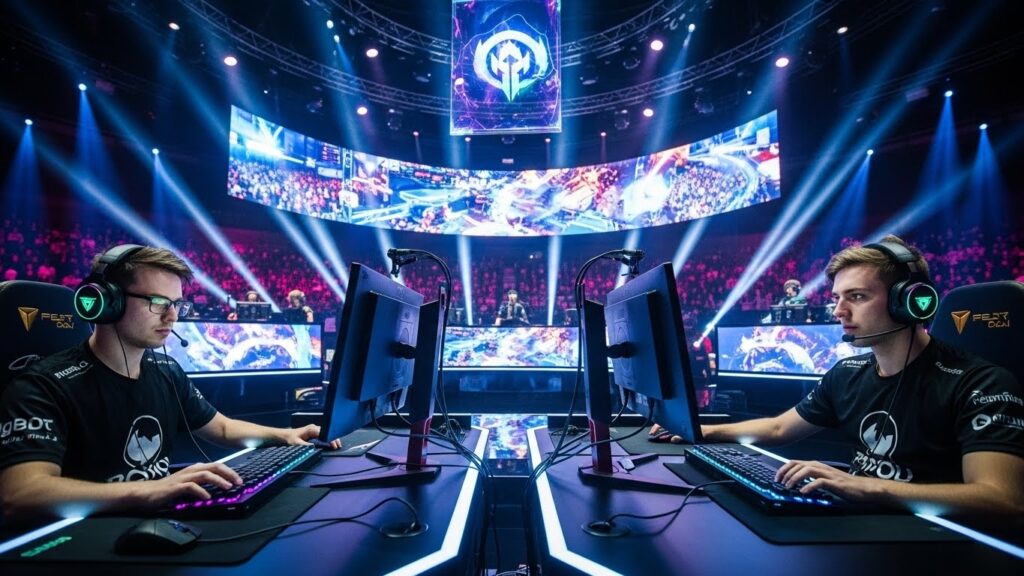
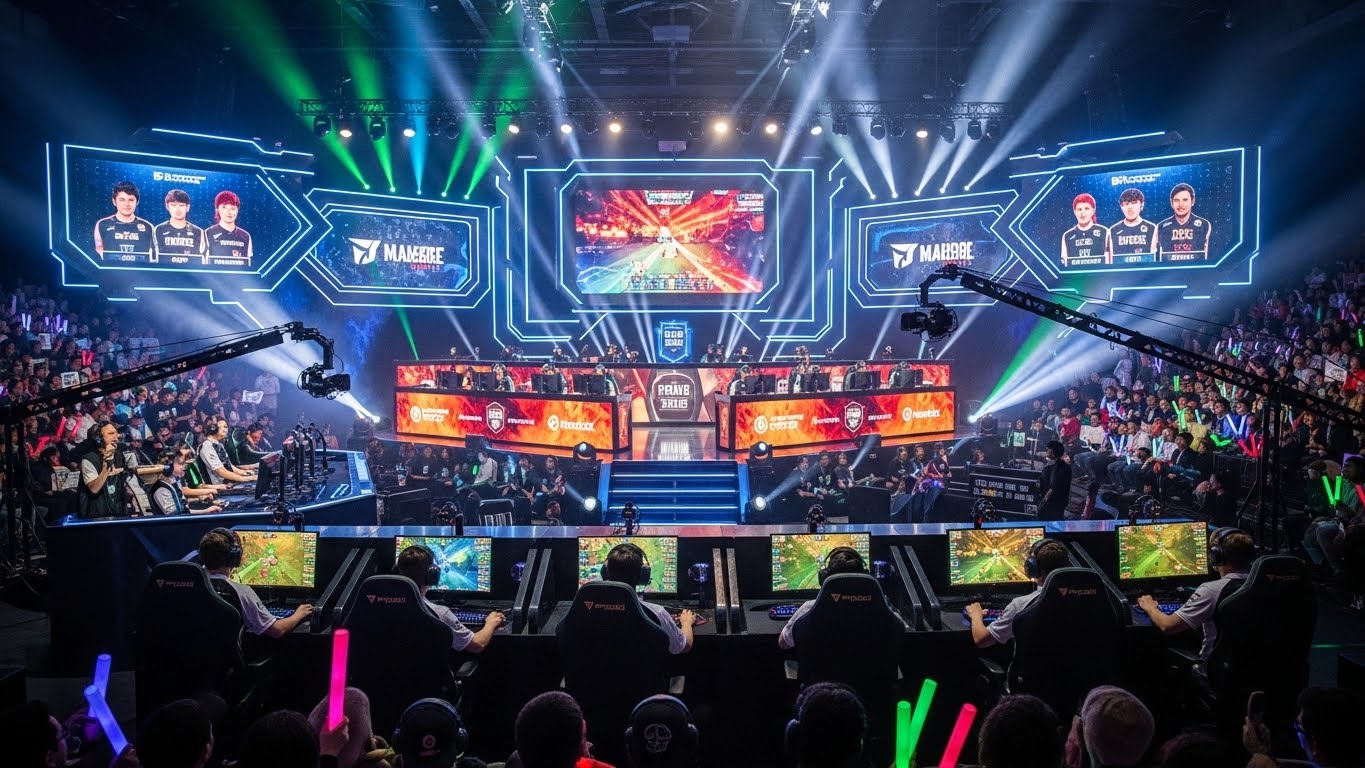
In the past two decades, competition has taken on an entirely new form. What once existed in bedrooms, internet cafés, and small local tournaments has transformed into a global phenomenon watched by millions. Esports, or electronic sports, is no longer just about playing video games for fun. It has evolved into a structured, professional, and highly competitive industry that rivals traditional sports in scale, passion, and cultural impact. From packed stadiums to multimillion-dollar prize pools, esports represents a shift in how entertainment, technology, and competition intersect in the modern world.
Understanding Esports and Its Core Identity
Esports refers to organized competitive gaming where individuals or teams compete in video games under formal rules and professional structures. Unlike casual gaming, esports emphasizes skill, strategy, teamwork, and consistent performance at the highest level. Popular genres include multiplayer online battle arenas, first-person shooters, real-time strategy games, sports simulations, and battle royale titles.
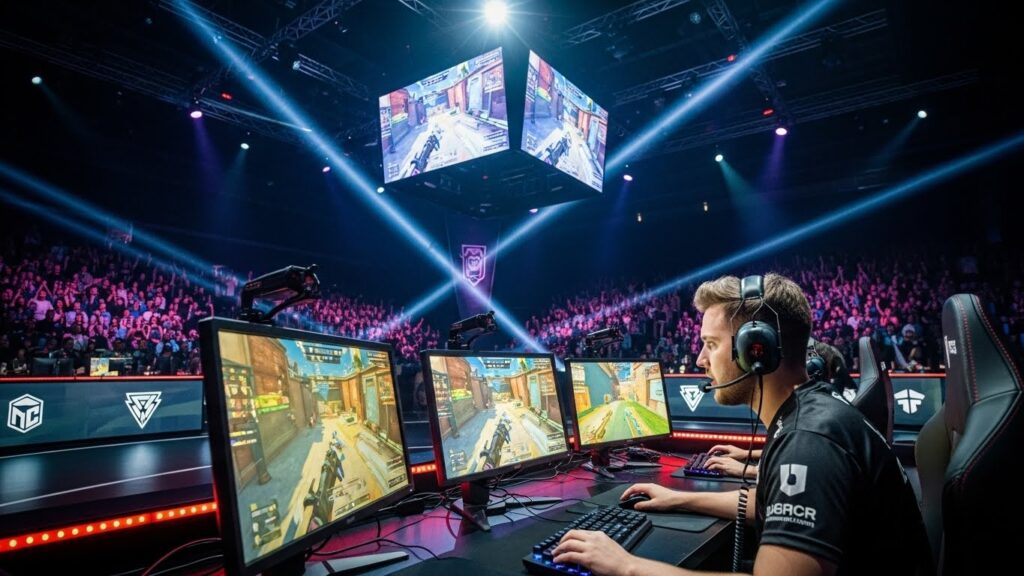
What makes esports unique is its digital foundation. Matches are played in virtual environments but demand real-world discipline, training, and mental resilience. Players analyze strategies, practice for hours daily, review opponents’ gameplay, and work closely with coaches and analysts. The competitive intensity mirrors that of traditional sports, even though the playing field exists on a screen.
A Brief History of Competitive Gaming
Competitive gaming did not appear overnight. Its roots can be traced back to arcade competitions in the late twentieth century, where players competed for high scores. As personal computers and home consoles became more accessible, multiplayer gaming grew rapidly. The rise of the internet enabled players to compete globally, laying the groundwork for organized tournaments.
In the early 2000s, competitive gaming communities began forming leagues and hosting international events. Over time, sponsorships, professional teams, and media coverage followed. Streaming platforms further accelerated growth by allowing fans to watch matches live, interact with players, and feel connected to the esports ecosystem. What started as a niche hobby gradually evolved into a mainstream competitive industry.
Popular Esports Titles and Competitive Diversity
One of the strengths of esports lies in its diversity of games. Each title offers a different competitive experience, appealing to a wide range of players and audiences. Some games focus on fast reflexes and precise aim, while others emphasize strategic planning, resource management, and teamwork.
Team-based games dominate the esports scene, often requiring strong communication and defined player roles. Individual esports titles also thrive, highlighting personal skill, adaptability, and mental strength. This diversity ensures that esports is not limited to one type of competitor or viewer, making it inclusive and constantly evolving as new games emerge.
The Professional Esports Ecosystem
The esports industry is supported by a complex ecosystem that extends far beyond players. Professional teams employ coaches, analysts, managers, psychologists, and fitness trainers. Tournament organizers handle event logistics, rule enforcement, and broadcasting. Commentators and analysts bring matches to life, helping audiences understand strategies and key moments.
Sponsorships and partnerships play a major role in sustaining the industry. Brands from technology, apparel, food, and entertainment sectors invest heavily in esports to connect with younger, digitally engaged audiences. Media rights, merchandise, and ticket sales further contribute to the financial stability of the ecosystem, enabling continued growth and innovation.
Training, Discipline, and the Esports Athlete
Contrary to outdated stereotypes, professional esports players are highly disciplined athletes. Their training schedules often include long practice sessions, strategy meetings, and performance reviews. Mental preparation is critical, as players must maintain focus, manage stress, and make split-second decisions under pressure.
Physical health is also gaining importance within esports. Teams increasingly emphasize proper posture, exercise, nutrition, and sleep to prevent injuries and burnout. The modern esports athlete understands that peak performance requires balance between physical well-being and mental sharpness.
Esports as a Global Cultural Phenomenon
Esports transcends borders, languages, and cultures. International tournaments bring together players and fans from around the world, creating a shared global experience. Viewers support teams not only from their home countries but also based on playstyle, personalities, and narratives.
This global reach has helped esports influence fashion, music, and online culture. Players become influencers and role models, shaping trends both within and outside gaming communities. Esports has also become a platform for storytelling, where rivalries, underdog victories, and legendary performances create memorable moments that resonate with fans for years.
Education and Career Opportunities in Esports
The growth of esports has opened doors to new educational and career pathways. Universities and colleges now offer esports programs, scholarships, and dedicated facilities. Students can pursue careers not only as players but also in areas such as game design, event management, marketing, broadcasting, and data analysis.
These opportunities highlight that esports is more than just competition. It is a multidisciplinary field that blends technology, business, media, and creativity. For many young people, esports represents a legitimate and exciting career option aligned with their passions and digital skills.
Challenges and Criticisms Facing Esports
Despite its success, esports faces several challenges. Concerns about player burnout, mental health, and job security remain significant. The fast-paced nature of the industry means careers can be short, and constant performance pressure can take a toll on players.
There are also debates around regulation, fair play, and inclusivity. Issues such as cheating, match-fixing, and unequal opportunities need ongoing attention. Addressing these challenges is essential for ensuring the long-term sustainability and credibility of esports as a professional industry.
The Future of Esports
The future of esports looks promising and dynamic. Advances in technology, such as virtual reality, augmented reality, and improved streaming experiences, are likely to reshape how esports is played and consumed. Greater integration with traditional sports, media, and education systems may further legitimize esports on a global scale.
As audiences continue to grow and diversify, esports will likely expand into new regions and formats. Grassroots development, improved player support, and stronger governance can help the industry mature while preserving the passion and creativity that define it.
Conclusion: A New Definition of Competition
Esports has redefined what it means to compete in the modern era. It combines the intensity of traditional sports with the innovation of digital technology, creating a unique form of entertainment that resonates with a new generation. From humble beginnings to global stages, esports represents the power of community, skill, and imagination.
As the digital age continues to evolve, esports stands as a testament to how competition can adapt, thrive, and inspire in unexpected ways. It is not just a trend, but a lasting transformation in how people play, watch, and connect through the spirit of competition.